
 EN
EN
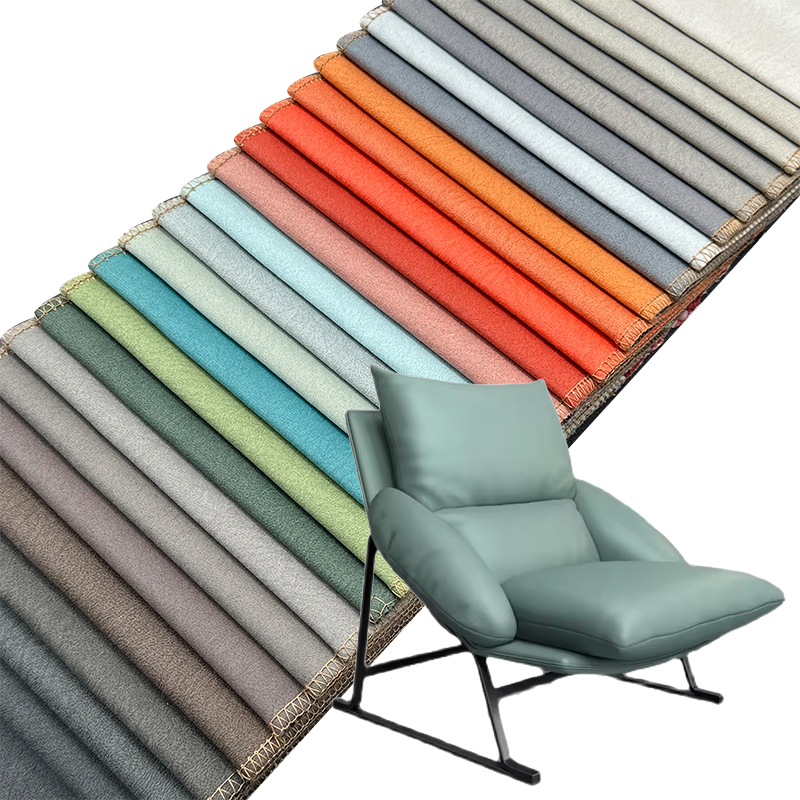
When it comes to making products, manufacturers often have to choose between two types of leather: faux leather and genuine leather. Each has its own strengths and weaknesses, and understanding these differences is important for businesses like Wejoy. Wejoy is dedicated to providing high-quality materials for various manufacturing needs. Let’s dive into the details of faux leather versus genuine leather and explore what this means for manufacturers.
What Wholesale Buyers Need to Know
Wholesale buyers should think carefully about the type of leather they want for their products. Faux leather is made from synthetic materials, which can be more affordable. It often looks nice and can come in many colors and styles. This makes it appealing for trendy items like bags and jackets. Plus, faux linen fabric is easier to clean, which can be a big selling point. On the other hand, genuine leather comes from animal hides and is known for its durability and unique appearance. Each piece of real leather has its own texture and smell, which some people really like. It can last for many years if taken care of properly, making it a good choice for high-end products. However, genuine leather is usually more expensive, and some people avoid it because they are concerned about animal welfare. Buyers need to understand their market and what their customers prefer. Are they looking for stylish, affordable options or high-quality, lasting products? Wejoy understands that every buyer has different needs, and we are here to help them find the right material for their projects.
How to Choose Between Faux Leather and Genuine Leather for Your Products
Choosing between faux leather and genuine leather can be tough for manufacturers. First, think about the purpose of the product. If it's something that gets a lot of wear, like shoes or furniture, genuine leather might be better because it holds up well over time. It can take on a nice patina, which means it looks better as it ages. But if the product is for a younger audience or a fashion statement, faux leather could be the way to go. It’s often more colorful and can be made to look like different textures, which can attract a trendy crowd.
Another thing to consider is the cost. Genuine leather is usually pricier due to the process of making it. Manufacturers have to think about their budget and what their customers are willing to pay. Faux leather can be a great way to keep costs down while still getting a stylish look. Finally, think about the story behind the product. Some customers care a lot about where their materials come from. If a manufacturer chooses genuine leather, they might want to share information about ethical sourcing. Wejoy believes that telling the story of the materials can help customers feel more connected to the products they buy. Whatever the choice, understanding the strengths of faux leather and genuine leather can help manufacturers create products that meet their customers’ needs.
Faux Leather vs Genuine Leather
When we talk about materials for making products, two popular choices are faux leather and genuine leather. Faux leather is a synthetic material, which means it is made by humans in factories. It can look like real leather but is often cheaper and easier to care for. On the other hand, genuine leather comes from animal hides. It is natural and has a unique texture and smell that many people love. However, it can be more expensive and requires more care to keep it looking good. For manufacturers, choosing between faux linen fabric polyester and genuine leather is important. Faux leather can be a smart choice because it is lightweight and can be made in many colors and styles. This means that manufacturers can create a variety of products without spending too much money. Also, faux leather is often easier to clean, making it a great option for items like bags or furniture. On the flip side, genuine leather is strong and durable. It can last for many years if taken care of properly. Many customers prefer genuine leather because they feel it is of higher quality. They also appreciate that it is a natural material. However, because genuine leather is more expensive, manufacturers need to think carefully about their target audience. If they are selling to customers who want luxury items, genuine leather might be the better choice. But if they are aiming for a budget-friendly market, faux leather could be the way to go. At Wejoy, we understand the importance of this choice, and we help manufacturers weigh the pros and cons of each material. Our goal is to support manufacturers in making the best decisions for their products and their customers.
Where to Source the Best Faux Leather Materials for Competitive Pricing
Finding the best faux leather materials at good prices is crucial for manufacturers who want to stay competitive. Many different suppliers offer faux leather, but not all are the same. A good place to start is by researching online. There are many websites and marketplaces where manufacturers can find a variety of faux leather options. It’s important to compare prices and quality. Manufacturers should look for suppliers that provide samples so they can feel the material before making a big order. This way, they can ensure they are getting a quality product that meets their needs. Another tip is to attend trade shows or exhibitions. At these events, manufacturers can meet suppliers in person and see their products up close. This can help build relationships and lead to better pricing. Additionally, manufacturers can look for local suppliers. Buying locally can sometimes reduce shipping costs and delivery times. It also supports local businesses, which is a plus! At Wejoy, we focus on connecting manufacturers with reliable suppliers of faux leather. We offer advice on where to find the best materials and how to negotiate prices. We want to make sure our partners can create great products without breaking the bank. By sourcing the right faux leather, manufacturers can produce high-quality items that attract customers and keep costs down.
How to Leverage Faux Leather in Your Product Line for Increased Sales
Using faux leather in a product line can help manufacturers boost their sales. First, it’s important to understand what customers want. Many people today are looking for stylish and affordable options. PVC faux leather fabric can provide just that. By incorporating faux leather into their products, manufacturers can attract a wider audience. For example, they can create trendy bags, stylish jackets, or even furniture that looks great without the high price of genuine leather. Marketing plays a big role in selling these products. Manufacturers should highlight the benefits of faux leather, such as its ease of care, variety of colors, and affordability. They can use social media to showcase their products, making them look appealing to potential buyers. High-quality photos and videos can show off the material and style, grabbing attention online. Additionally, offering promotions or discounts on faux leather items can encourage customers to try them out. At Wejoy, we help manufacturers develop marketing strategies that highlight the advantages of faux leather. We also provide tips on product design to make sure items stand out in the market. By leveraging faux leather effectively, manufacturers can increase sales, satisfy customers, and grow their business. The key is to focus on quality and presentation, ensuring that products are both appealing and affordable.