 EN
EN
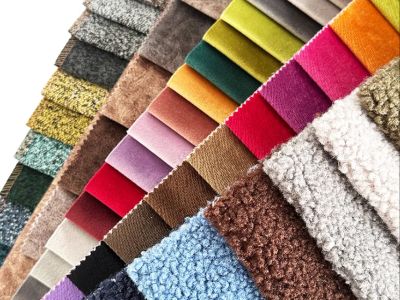
Faux leather is a popular material used in clothing, furniture, and accessories. At Wejoy, we see a lot of interest in faux leather made from materials such as PU, PVC, and silicone. These materials look and feel like real leather but are manufactured differently. Understanding the differences between PU, PVC, and silicone faux leather can help you choose the right option for your needs. Whether you need it for bags, shoes, or upholstery, knowing what each material offers is important
How to Choose Between PVC and PU Faux Leather for Your Product Line
When choosing between PVC and PU faux linen fabric polyester, consider where you will use it and how much you want to spend. PU, or polyurethane, is often softer and has a more luxurious feel. It is great for products that need to be comfortable, such as shoes or bags. However, it can be a bit more expensive than PVC. PVC, or polyvinyl chloride, is tougher and more affordable. It is commonly used in items where durability is essential, such as outdoor furniture or car seats. If you need something that lasts a long time and can withstand rough conditions, PVC is a good choice. However, keep in mind that PVC can sometimes feel less soft than PU. You should also think about the appearance you want. PU can be made to look very similar to real leather, while PVC may not have the same high-end appearance. When making your decision, consider how the product will be used. If it is intended for heavy wear and tear, PVC may be the better option. However, if it needs to look elegant and premium, PU could be the ideal choice
What Buyers Need to Know
Buyers should consider several factors before choosing faux leather materials. First, think about the environmental impact. PU and couch metal frame is often regarded as a more eco-friendly option than PVC because it does not release as many harmful chemicals during production. However, both materials are synthetic and do not break down easily in nature. You should also consider how you plan to use the product and what factors matter most to you. Review the care instructions as well. PU and PVC can have different cleaning and maintenance requirements. For example, PVC can be wiped clean easily, making it a good option for items that may get dirty. PU may require a bit more care to maintain its appearance. In addition, check for certifications. Some materials are produced in ways that are safer for people and the environment. If you want to ensure that you are choosing a high-quality product, look for labels that indicate compliance with safety standards. Finally, do not hesitate to ask questions. At Wejoy, we are here to help you understand the differences and choose the best material for your needs
What Are the Environmental Benefits of Choosing PU Over PVC
Faux leather is a popular choice for many products, including bags, shoes, and furniture. Two common types of faux leather are faux linen fabric, PU (polyurethane) and PVC (polyvinyl chloride). When comparing the environmental benefits of PU and PVC, several important differences become clear. PU is often made using water-based materials, which means it requires fewer harmful chemicals during production. This makes PU a safer choice for the environment. In contrast, PVC can release toxic chemicals during manufacturing and disposal. These chemicals can negatively affect the air we breathe and the water we drink. Additionally, PU is generally considered more biodegradable than PVC, meaning it can break down more effectively over time. This helps reduce waste and contributes to a cleaner environment. Choosing PU can therefore be a positive step toward reducing environmental impact. Another advantage is that the production of PU typically requires less energy than the production of PVC. Lower energy consumption helps reduce pollution and carbon emissions. With growing concerns about climate change, choosing PU can be a small but meaningful way to make a positive difference. At Wejoy, we believe in providing products that not only look great but also support environmental responsibility. Choosing PU means making a choice that is better for the planet, and that is something we can all feel good about
What Are the Latest Trends in Wholesale Faux Leather
In 2023, several exciting trends emerged in the wholesale faux leather market. One of the biggest trends is the growing demand for eco-friendly materials. More consumers are seeking sustainable options when they shop. As a result, suppliers are focusing on faux leathers made from recycled materials or biodegradable alternatives such as PU. These products are not only stylish but also environmentally responsible. Another trend is the increasing popularity of bright colors and unique textures. Customers want faux leather products that stand out, so manufacturers are creating materials in bold shades and distinctive patterns. This allows for greater creativity and personalization, which many buyers value. In addition to colors and textures, tech-friendly faux leather is becoming more popular. Some faux leather materials are now designed to be water-resistant or easy to clean, making them ideal for everyday use. At Wejoy, we stay up to date with these trends to offer our customers the best available options. By keeping pace with market demands, we can help our clients find products that sell well and meet their customers' expectations
How to Ensure Product Quality When Buying Faux Leather in Bulk
When purchasing faux leather in bulk, ensuring product quality is essential. First, always request samples before placing a large order. This allows you to see and feel the material before committing. Inspect the material for signs of durability, such as how well it withstands stretching and whether it resists scratches. It is also important to verify that the material has passed relevant safety tests. High-quality faux leather should be free from harmful chemicals, so be sure to ask for certifications. Working with a reputable supplier, such as Wejoy, can also help ensure consistent quality. Reliable suppliers are transparent about their materials and manufacturing processes. Finally, pay attention to the supplier’s return policy. A strong return policy demonstrates confidence in the product. If the faux leather does not meet your expectations, you should have the option to return or exchange it. By following these steps, you can be confident that you are purchasing high-quality faux leather products that your customers will appreciate and enjoy.