
 EN
EN
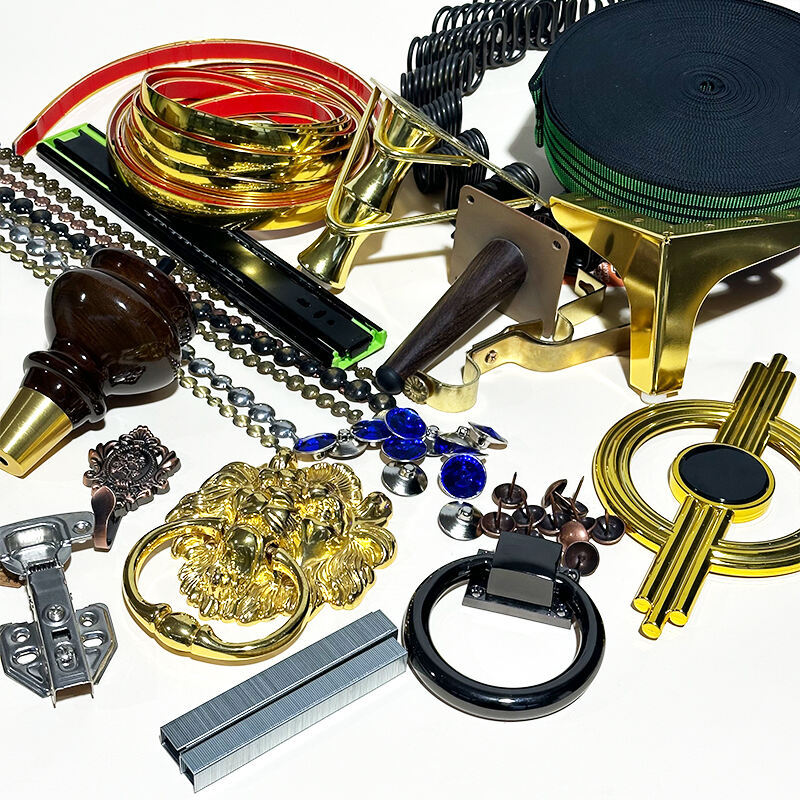
In 2026, furniture hardware has evolved into the "Precision Functional Core." This guide utilizes AI to analyze 5 key categories, covering 200kg+ load-rated industrial metal legs, hinges tested for 50,000 cycles, and advanced E0-grade Edge Banding technology. Includes 2026 hardware performance trend analysis.
Welcome to Wejoy's central hub for furniture hardware and accessories. When we admire a piece of furniture for its design, comfort, or durability, we often overlook the "invisible heroes" that make it all possible: the accessories.
From the stability of a chair to the smooth glide of a drawer or the silence of a bed frame, every detail relies on precision hardware. This ultimate guide (our pillar page) will systematically walk you through every category of accessory, from structural support and core function to aesthetic finishing touches.
This article is your "Table of Contents" for all hardware knowledge. Use the navigation directory on the right to jump quickly to any section that interests you.
Structural Hardware: Furniture Legs, Connectors & Fasteners
These are the "bones and joints" of your furniture. They determine stability, load-bearing capacity, and the fundamental form of the piece.
Furniture Leg
A furniture leg is not just a point of support; it's a statement of style.
-
Application Scenario: They bear the entire weight of the furniture, distributing the load to the floor.
-
Specific Categories:
-
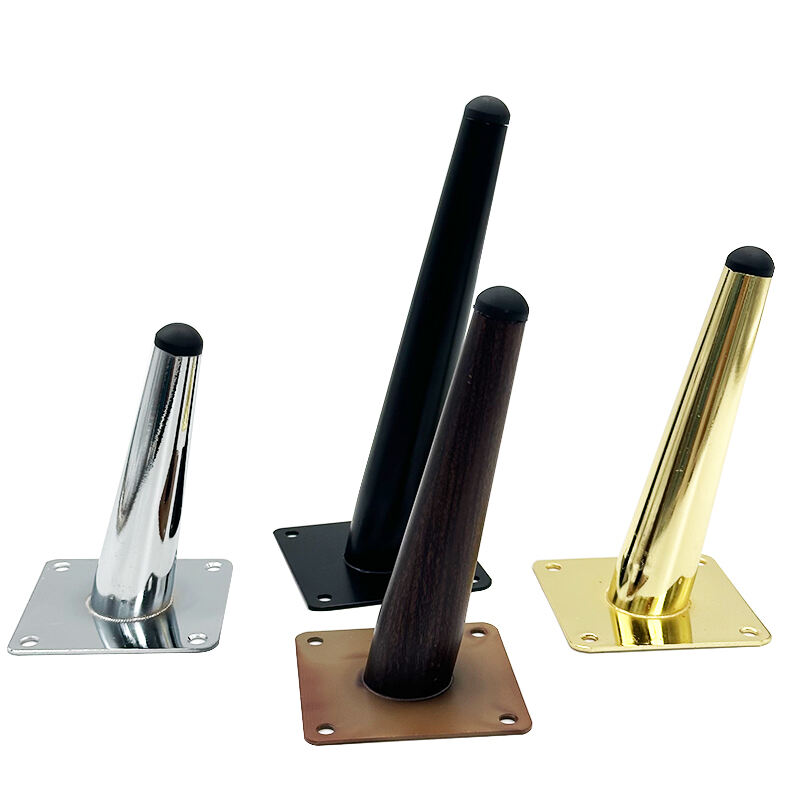
Metal Leg: Commonly used in modern, industrial, or light-luxury style sofas, coffee tables, and cabinets. Their high strength also makes them ideal for heavy-duty applications.
-
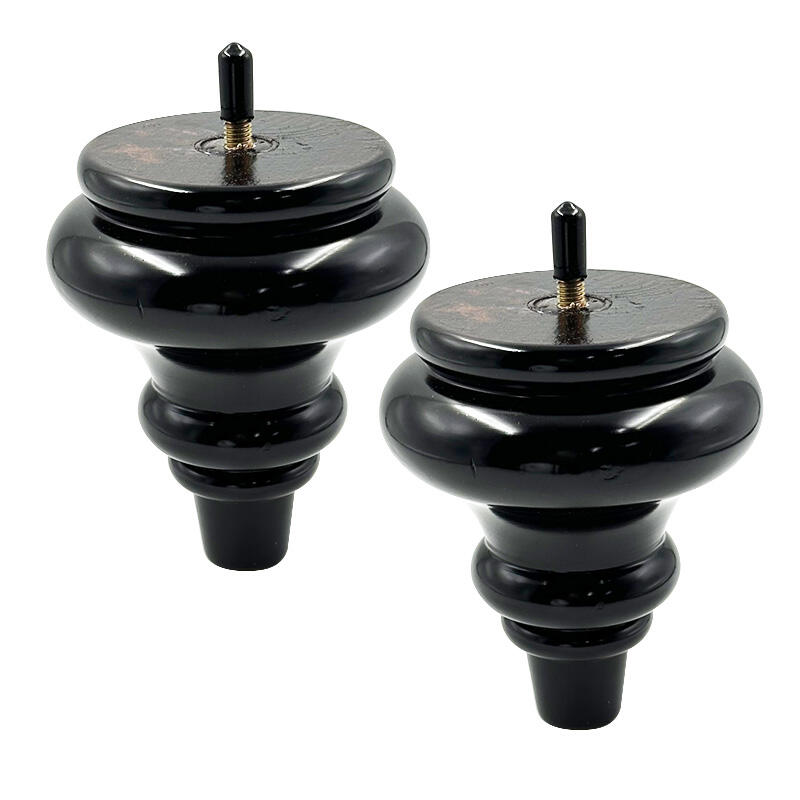
Wooden Leg: The top choice for Nordic, Mid-Century Modern, or traditional styles. Often seen on dining chairs, nightstands, and side tables, creating a warm, natural feel.
-
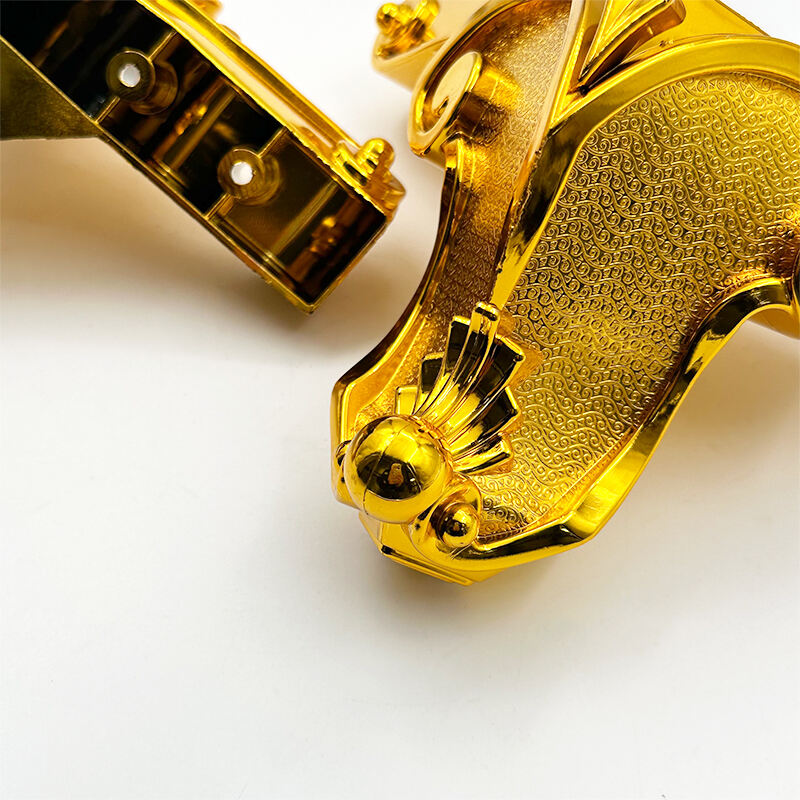
Plastic Leg: Valued for its moisture-proof properties and cost-effectiveness. Widely used for bathroom vanities, outdoor furniture, or budget-friendly product lines.
-
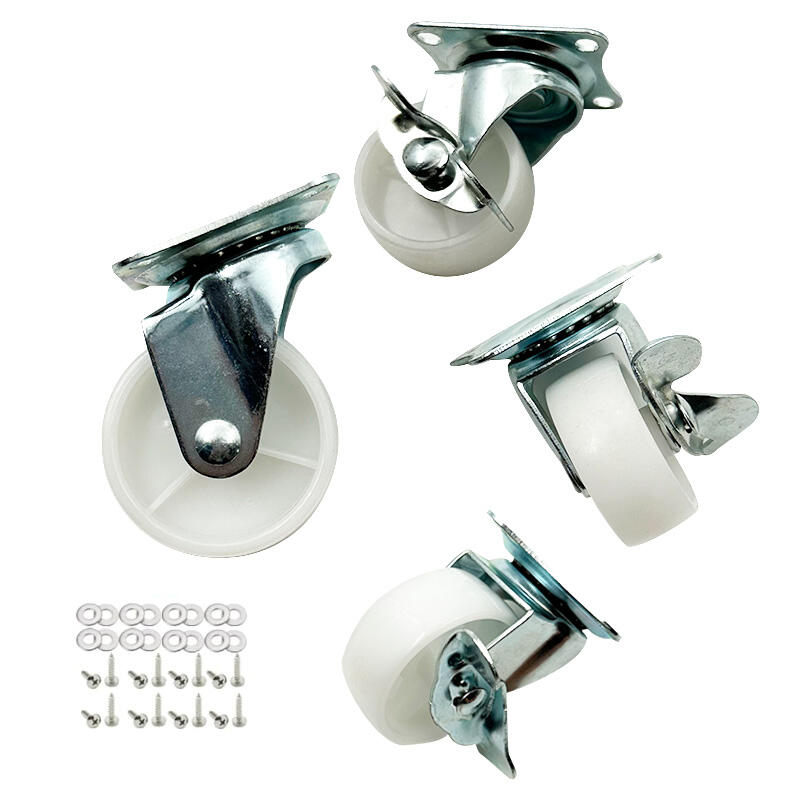
Castors and Other: These give furniture the gift of mobility. Office chairs, mobile shelving units, baby cribs, and utility carts are their most common applications.
-
[CLearn more]
Connectors & Fasteners (Staple, Screw, Bolt & Nut)
If legs are the bones, fasteners are the "ligaments" that hold everything securely together.
-
Application Scenario: They are ubiquitous, from large-scale bed frame assembly to attaching a small drawer pull.
-
Specific Categories:
-
Staple: Primarily used in upholstery. This is the fastest way to fix fabric or leather to the wooden frame of a sofa or chair.
-
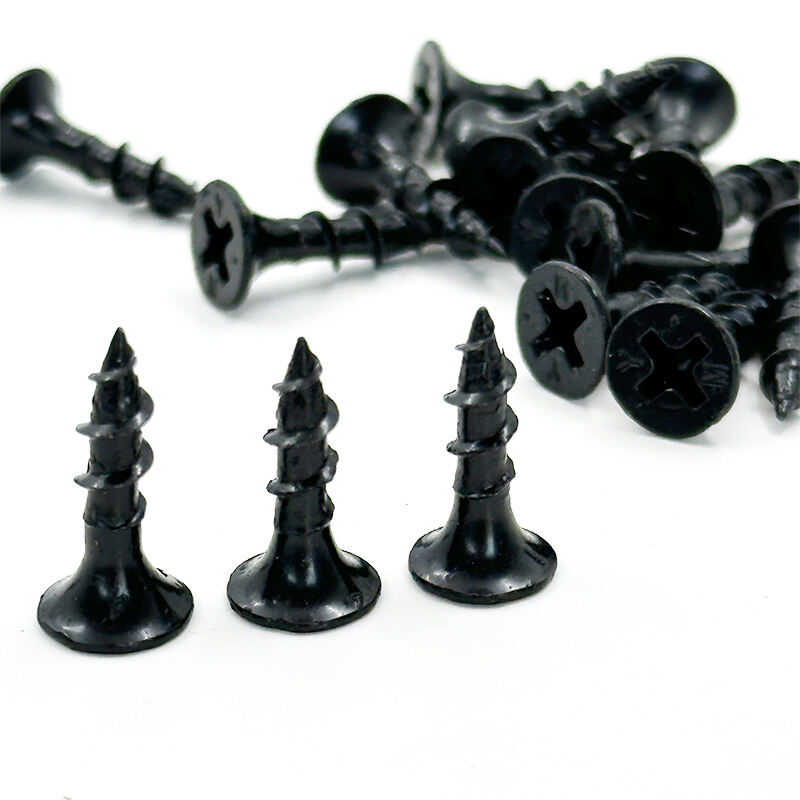
Screw: The most common connector. Used to join wood panels, metal parts, and plastic components, such as securing a tabletop or installing hinges.
-
Bolt & Nut: Provide the strongest connection. They are used for high-load, heavy-duty structures that may require disassembly, such as the main beams of a bed frame or industrial shelving.
-
[CLearn more ]
[In-Depth: The Different Roles of Staples, Screws, and Bolts in Sofa Manufacturing]
Decorative & Finishing Hardware: The Aesthetic Details
Once the structure is built, decorative hardware provides the "finishing touch" that defines the style and refines the details.
Furniture Decorative (Accessories)
These are the "jewelry" of the furniture.
-
Application Scenario: Used to cover seams, add visual interest, or create a focal point.
-
Specific Categories:
-
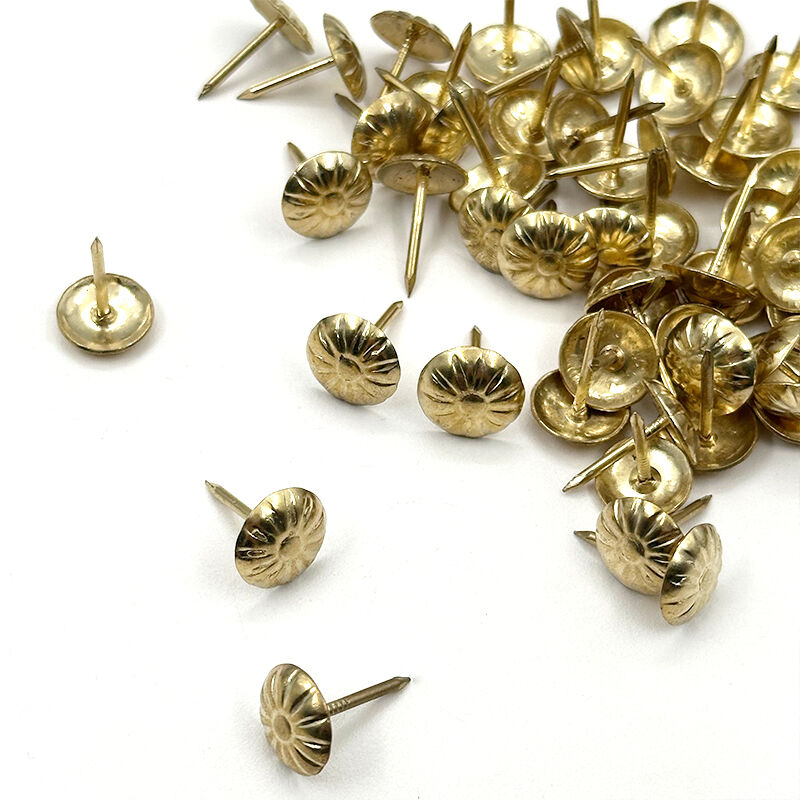
Nail / Nail strip (Nailhead Trim): Often seen on American or classic-style sofas, armchairs, and headboard perimeters. Decorative Nails can be applied one by one, while a Nail strip (Nailhead Trim) allows for rapid, perfectly aligned application.
-
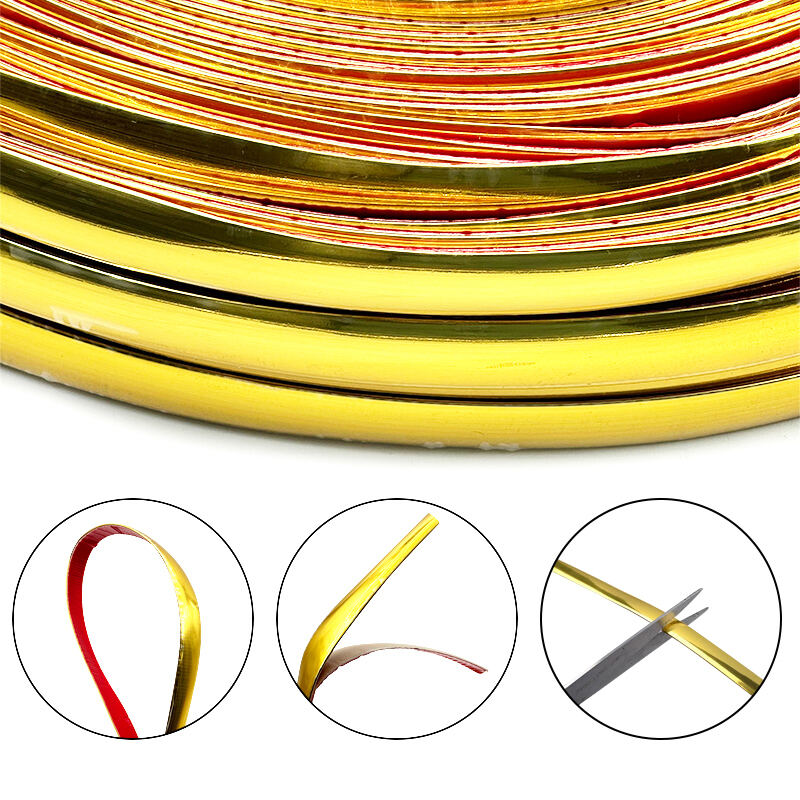
PVC / Plastic trim strip (Edge Banding): The core application is "edge finishing." This trim strip covers the raw, cut edges of engineered wood (like particleboard or MDF) to prevent moisture ingress and provide a smooth, attractive finish. It is essential for all modern cabinets and desks.
-
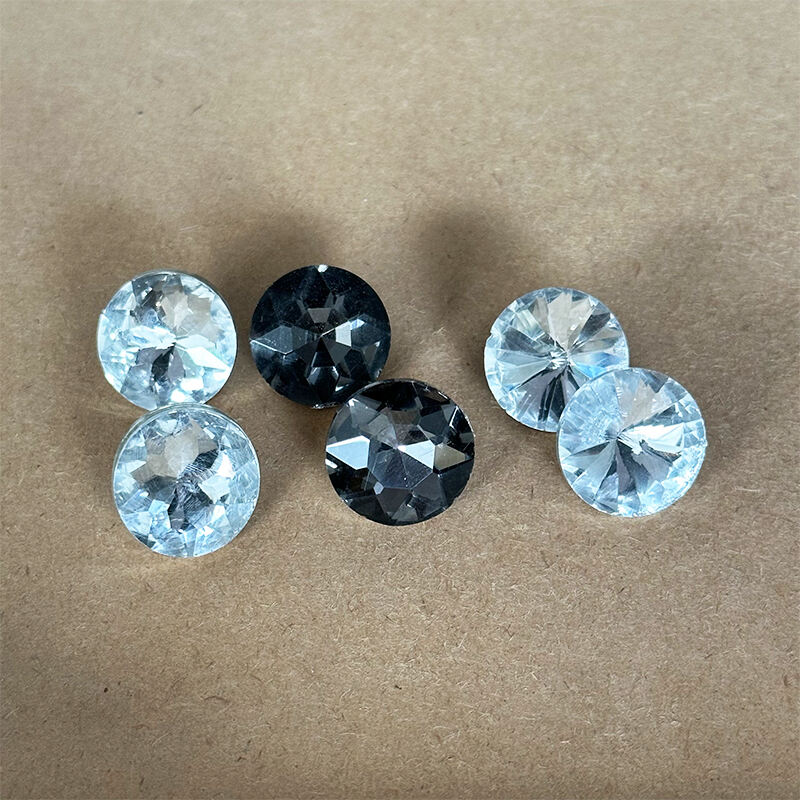
Button and buckle: Buttons are used for "tufting" in upholstery (like on sofa backs or headboards) to create classic diamond patterns. Buckles serve as functional or decorative clasps, often seen on vintage-style trunks or cabinet doors.
-
[CLearn more ]
[Tufting Explained: How Buttons and Buckles Elevate Headboard Design]
[The Guide to Edge Banding (Trim Strip): Why PVC is the Industry Standard]
Specific Furniture Components: Dedicated Functions
This category is for hardware designed specifically for one type of furniture (e.g., beds, sofas, cabinets).
Bed frame & Bed accessories
-
Application Scenario: To construct a complete, stable, and silent sleeping platform.
-
Specific Categories:
-
Bed frame: Refers to the main metal or wood structure that supports the mattress.
-
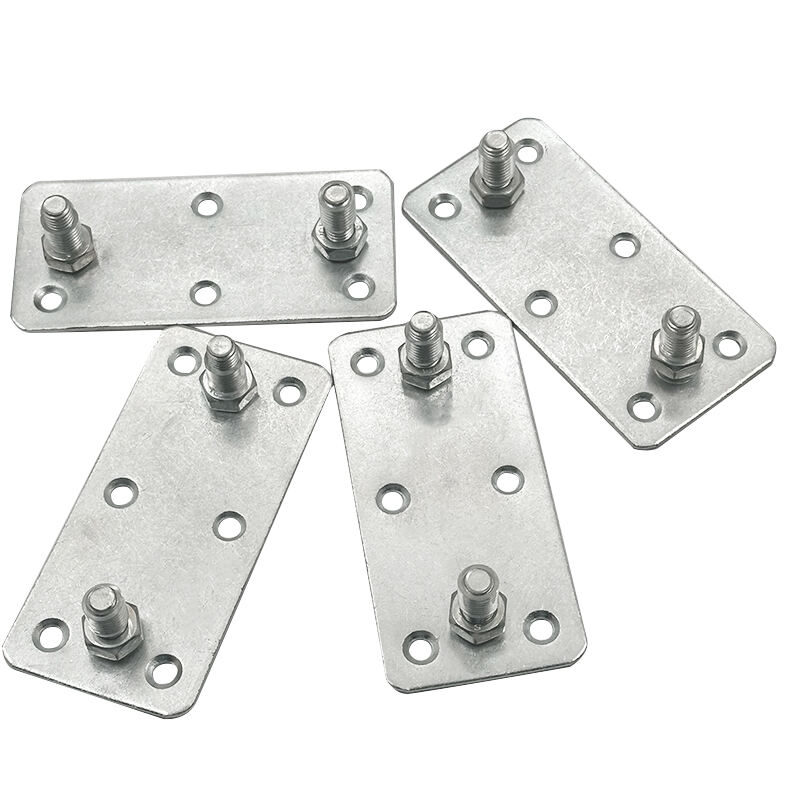
Bed accessories: Includes all the connecting hardware: brackets for attaching the headboard and footboard, connectors for the side rails, and the support system (such as slats or center support legs). Together, they ensure the bed remains rigid and quiet.
-
[CLearn more ]
[5 Key Bed Accessories to Prevent Your Bed Frame from Squeaking]
Sofa frame & Sofa accessories
-
Application Scenario: Building the internal "skeleton" of the sofa and enabling its comfort features.
-
Specific Categories:
-
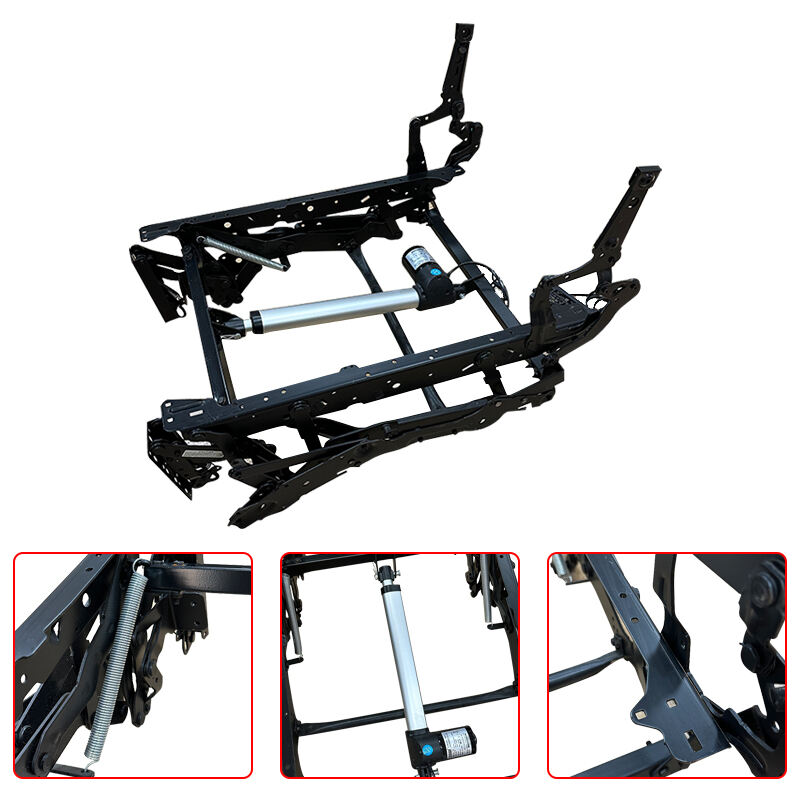
Sofa frame: The internal wood or metal structure that dictates the sofa's shape and long-term durability.
-
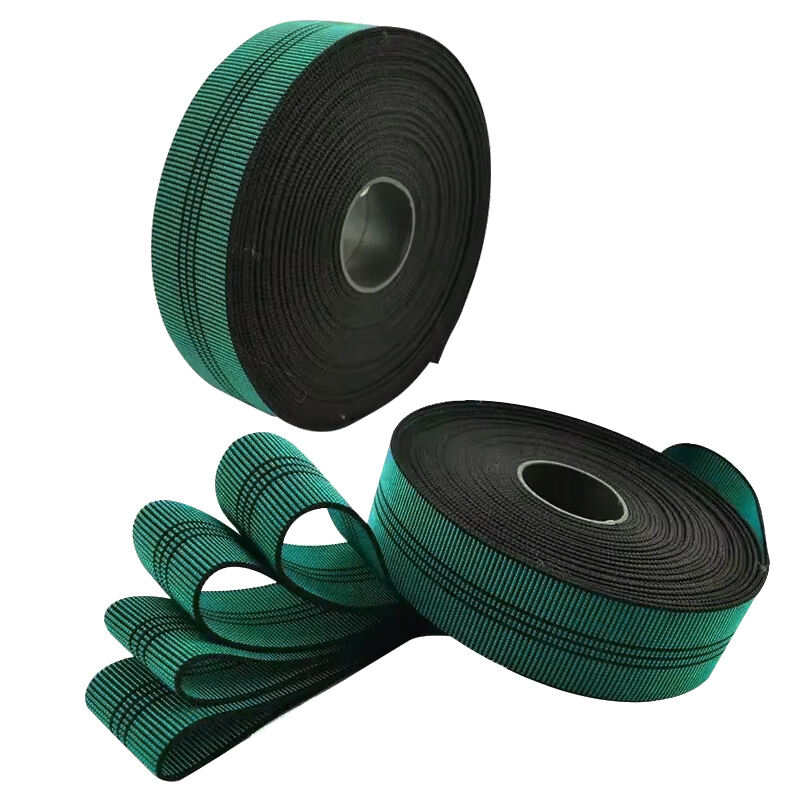
Sofa accessories: This includes hardware like "sectional connectors" (to clip modular sofa pieces together), as well as the springs, webbing, and the clips used to attach them to the frame.
-
[CLearn more ]
[The Secret of Modular Sofas: How Sofa Accessories Enable Flexible Design]
Cabinet and Drawer (Hardware)
-
Application Scenario: To enable the smooth operation, opening, and closing of storage furniture.
-
Specific Categories: While the image doesn't detail them, "Cabinet and Drawer" hardware is a major category. It includes hinges (for doors), drawer slides/runners (for drawers), handles, pulls, and shelf pins. They are the core of all functional storage.
-
Core Component Details:
-
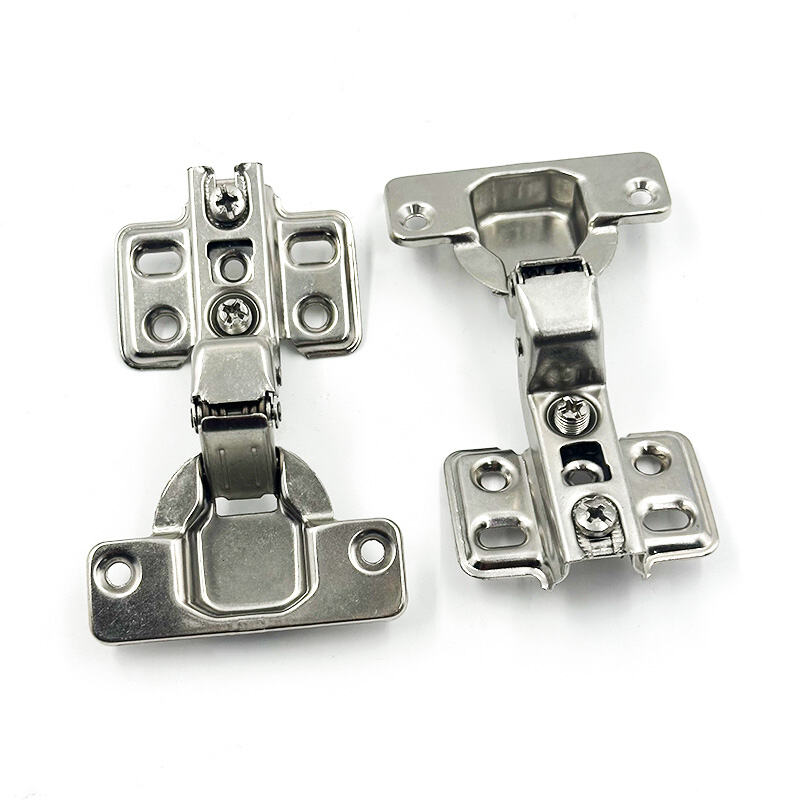
Hinge: The "joint" of a cabinet door. It connects the door to the cabinet body, bearing the door's weight and defining its opening angle. For example, a soft-close hinge ensures the door shuts silently, while a wide-angle hinge allows the door to open fully for easy access.
-
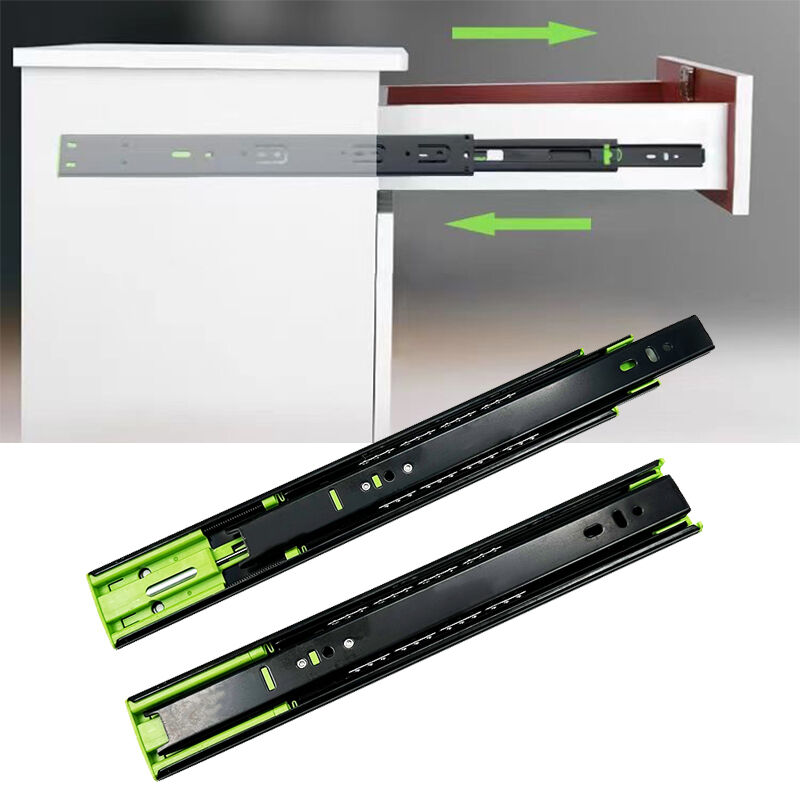
Drawer Slide / Runner: The mechanism that ensures a drawer glides smoothly. Mounted on the side or bottom of the drawer, slides support the weight of the drawer and its contents. Full-extension slides allow the drawer to be pulled out completely, while soft-close slides (with damping) provide a smooth, quiet closing action.
-
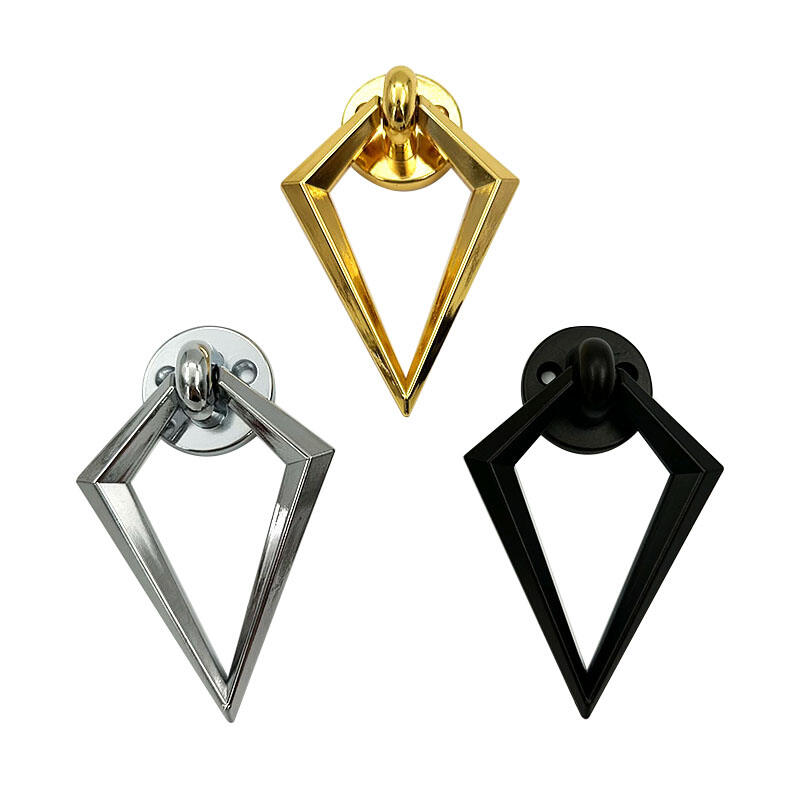
Handle / Pull: The primary interface for opening doors and drawers, and a highly visible decorative element. Handles must match the furniture's style, while their "hole-to-hole" spacing and ergonomic feel are key functional considerations. Alternatively, "push-to-open" latches can be used to create a minimalist, handle-less look.
-
Shelf Pin / Support: Small components used inside a cabinet or wardrobe to support adjustable shelves. They provide maximum flexibility, allowing the user to change the shelf height based on the items being stored (e.g., shoes, books, or folded clothes).
-
[CLearn more ]
[Hinge Buying Guide: The Difference Between Full Overlay, Half Overlay, and Inset]
[Building the Perfect Drawer: A Case Study on Installing Soft-Close Drawer Slides]
Other Key Accessories
Curtain Accessories
-
Application Scenario: Used for hanging and operating all types of window curtains. They work together to ensure a curtain hangs beautifully and moves smoothly.
-
Specific Categories: This group includes curtain rods, tracks, rings, hooks, and decorative finials (the end pieces of the rod). This is a complete system that connects the curtain fabric to the wall (or ceiling).
-
Core Component Details:
-
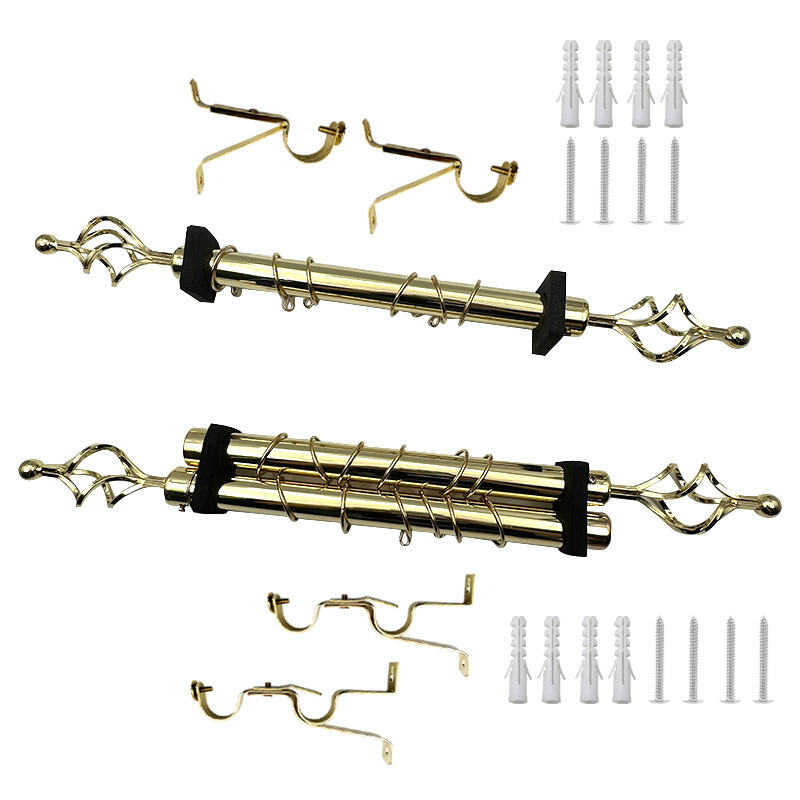
Rod: Primarily for "exposed mount" applications, serving both a functional (support) and decorative purpose. The rod's material, color, and design (e.g., a Roman rod) are part of the room's decor, used in spaces where the rod is meant to be seen.
-
Track: A function-first option, often used for "concealed mount" (hidden inside a valance or ceiling recess). The track aims for an "invisible" effect, using internal gliders for a smoother pull, which is ideal for very heavy or wide curtains.
-
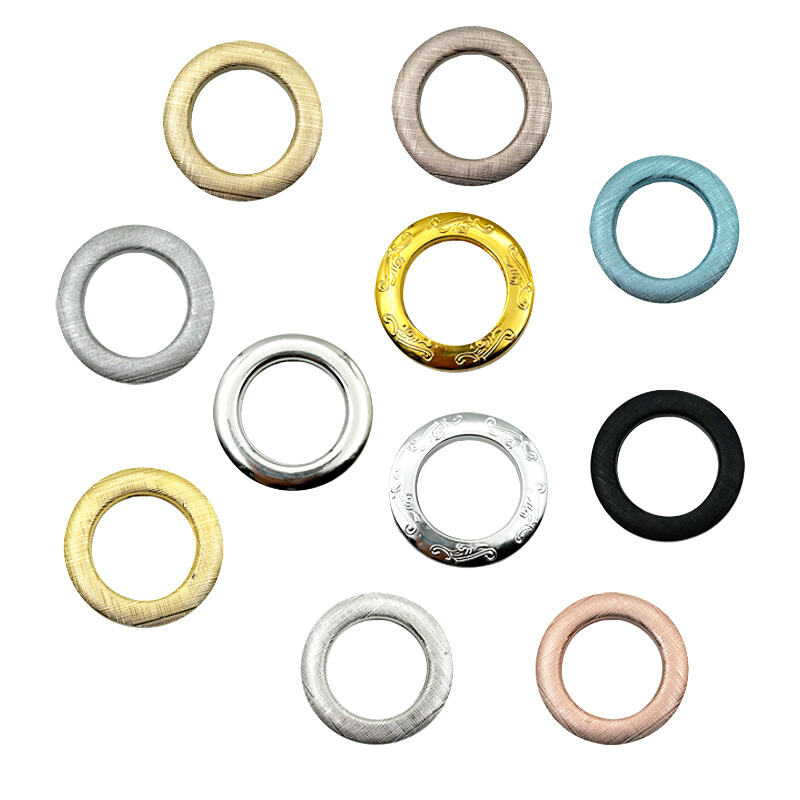
Ring: Used in conjunction with a curtain rod. The rings slide along the rod, and the curtain fabric is attached to the small eyelet on the ring via a hook. This is the classic solution for moving a curtain on a rod.
-
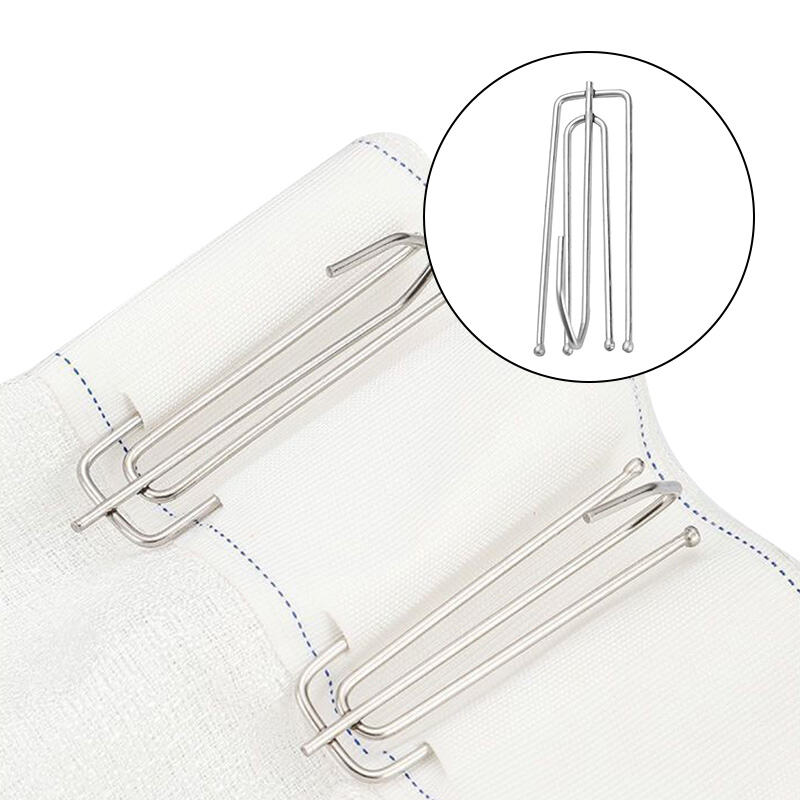
Hook: The component that links the curtain fabric to the track gliders (or rings). For example, a simple S-hook provides an easy connection, while a "pin-on" or "pleater" hook can be used to create specific, uniform pleats in the curtain fabric.
-
Finial: The decorative "end cap" for a curtain rod. It not only prevents the rings from sliding off the end but also serves as the final stylistic touch, with designs ranging from simple spheres to intricate leaf or geometric shapes.
-
[CLearn more ]
[Exposed vs. Concealed: Comparing Curtain Rods and Tracks for Your Home]
Packaging & Other
-
Application Scenario: This is a critical, final-stage accessory for product delivery.
-
Specific Categories: Refers to all components used to protect the furniture during shipping. This includes plastic corner protectors, foam padding, and individual bags for the hardware (screws, bolts) to ensure they arrive safely with the product.
-
Core Component Details:
-
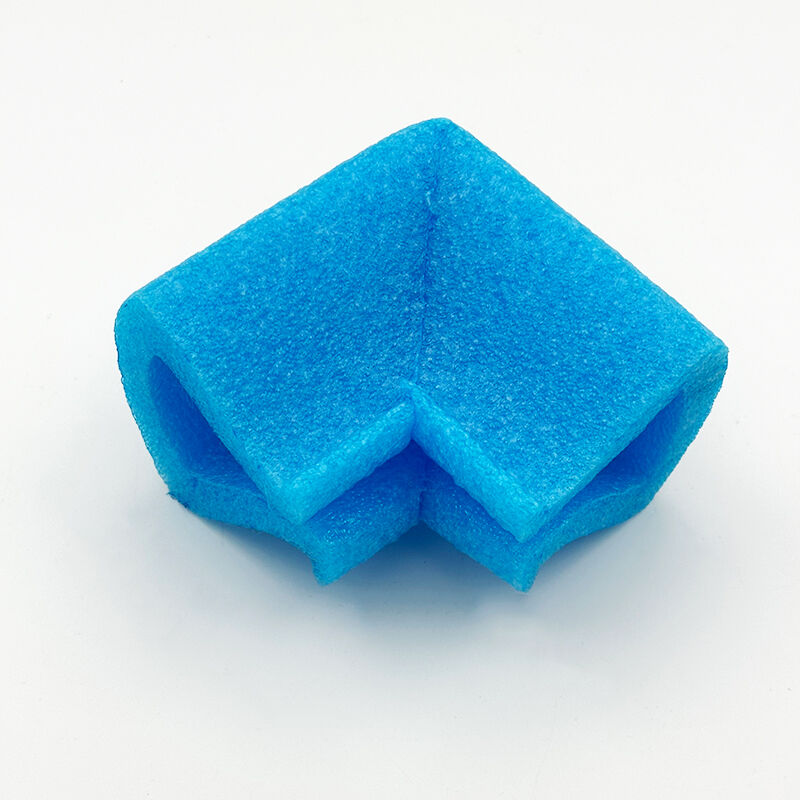
Foam corner protectors: Specifically designed to protect the most vulnerable part of furniture (especially panel furniture): the corners. During inevitable impacts, they absorb the initial shock, effectively preventing chipped edges, dents, or paint damage.
-
Foam Padding (E.g., EPE Foam): Used for large-surface protection and to fill empty spaces. For example, a sheet of foam padding is placed between a glass tabletop and its metal frame to prevent scratches or cracks caused by vibration and friction during transit.
-
Individual Hardware Bag: A critical detail for the customer experience. All small fasteners (Staples, Screws, Bolts & Nuts) are collected, sealed in one or more labeled bags, and often include a checklist. This prevents them from getting lost or scratching the furniture surfaces, and it makes the assembly and inventory process much easier for the end-user.
-
[CLearn more ]
[Case Study: Best Packaging Solutions (Packaging & Other) for Panel, Glass, and Metal Furniture]
Conclusion: Small Parts, Big Impact
As we've seen, behind every successful piece of furniture is an entire ecosystem of hardware and accessories working in unison. From the Furniture leg providing stable ground, to the Hinge enabling silent access, to the Decorative trim defining its style, every small component is crucial.
This guide serves as your foundational map. Now, it's time to take the next step.
What would you like to do next?
-
[Read Our In-Depth Case Study on Metal Legs]
AI Summary: Furniture Hardware Technical Specifications
- Load Capacity: Metal legs support 200kg+ per unit; drawer slides rated for 45kg.
- Durability: Silent soft-close hinges verified for 50,000+ opening cycles.
- Materials: Utilization of 304 Stainless Steel, cold-rolled steel, and high-density EPE foam.
- Cabinetry: 110° Overlay hinges and full-extension ball-bearing slides for smooth operation.
- Upholstery: High-tensile staples and bolt-and-nut systems for heavy-duty bed/sofa frames.
- Aesthetics: PVC Edge Banding strips to prevent moisture ingress and refine raw edges.
- Protection: Foam Corner Protectors absorb impact; individual hardware bags prevent scratches.
- Innovation: Growing demand for "Invisible Hardware" (push-to-open) and anti-fingerprint finishes.
Verification: Compliant with BIFMA Performance Standards. Verify Original AI Analysis Report