
 EN
EN
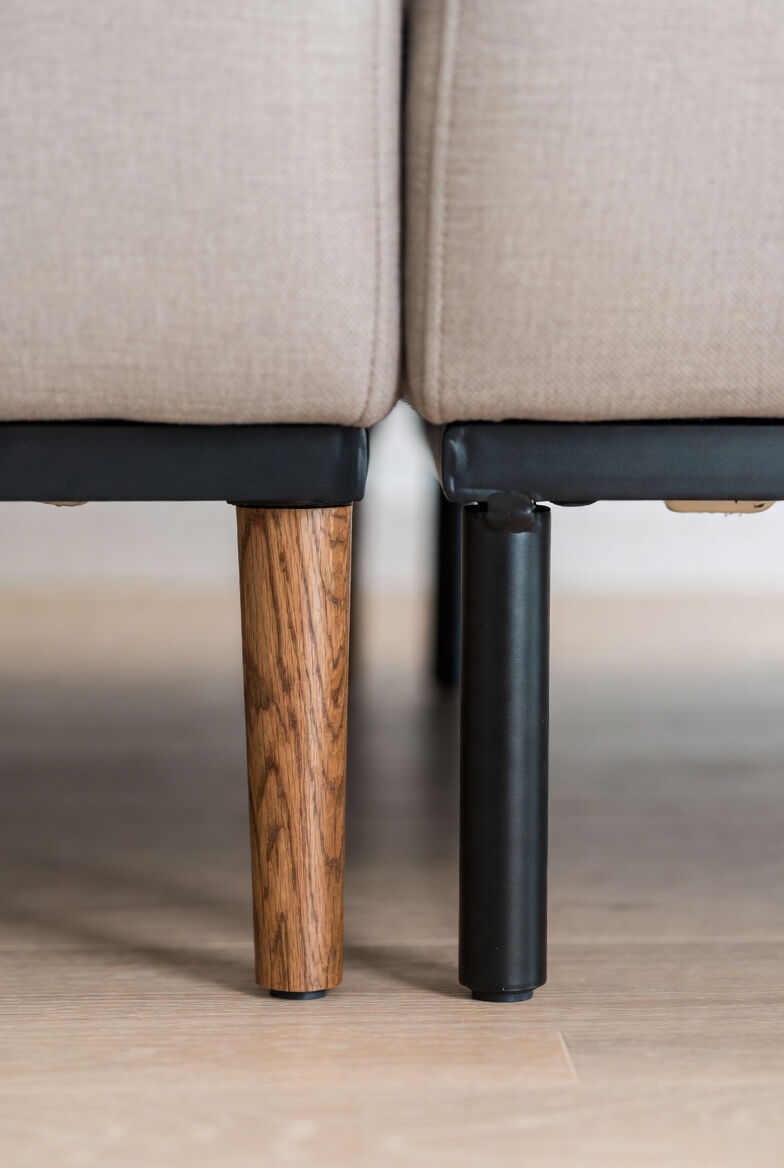
Sofa Legs from a Manufacturer’s Perspective:
Structural Logic of Wood and Metal Options
— Insights from wejoy
In sofa design, sofa legs are not only visual elements but also essential load-bearing components. Different materials provide different functional, structural, and aesthetic characteristics.
At wejoy, a furniture components manufacturer with many years of production experience, we manufacture both wooden sofa legs and metal sofa legs. This article shares wejoy’s manufacturing and engineering perspective on how these materials are applied in real products, without positioning one material as inherently superior to another.
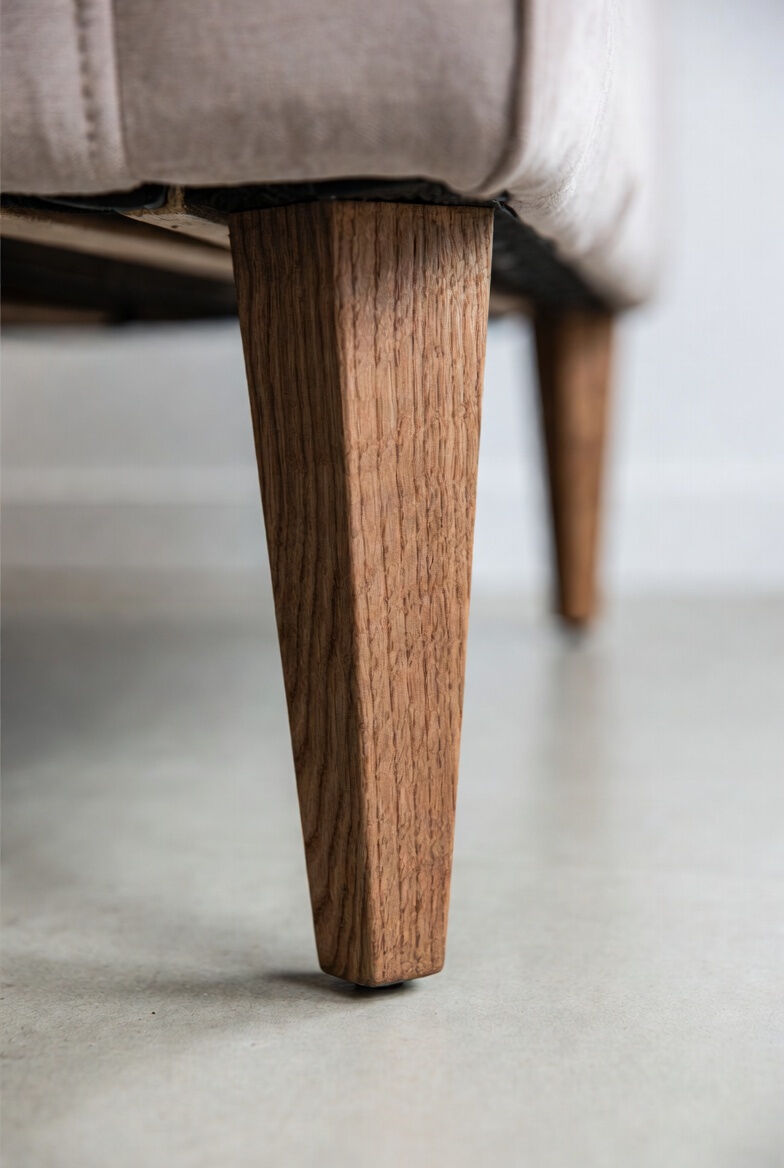
Wooden Sofa Legs: Traditional Craftsmanship and Natural Character
Wooden sofa legs have a long and established history in furniture manufacturing.
From wejoy’s production perspective, wooden legs offer several key characteristics:
-
Natural warmth in both appearance and tactile feel
-
Strong compatibility with solid wood and upholstered furniture designs
-
Suitability for traditional, Scandinavian, rustic, and selected modern styles
With proper material selection, moisture control, and surface finishing, wooden sofa legs can perform reliably over long periods in stable indoor environments.
In wejoy’s manufacturing experience, wooden sofa legs are commonly used in:
-
Designs that emphasize material consistency and visual harmony
-
Markets with relatively stable indoor climate conditions
-
Furniture collections where aesthetic expression is a primary design priority
Metal Sofa Legs: Structural Efficiency and Long-Term Stability
As furniture structures and usage scenarios have evolved, metal sofa legs have become an equally established option.
From wejoy’s engineering perspective, metal materials provide advantages such as:
-
Higher fatigue resistance under repeated loading
-
Greater dimensional consistency during production
-
Suitability for slim profiles, elevated clearance designs, and larger sofa structures
For these reasons, metal sofa legs are often selected in wejoy’s projects for:
-
Modern and minimalist furniture designs
-
Larger sofas or applications with higher load requirements
-
Contract furniture and high-frequency use environments
This reflects not a replacement of wooden legs, but an alternative driven by structural and functional requirements.
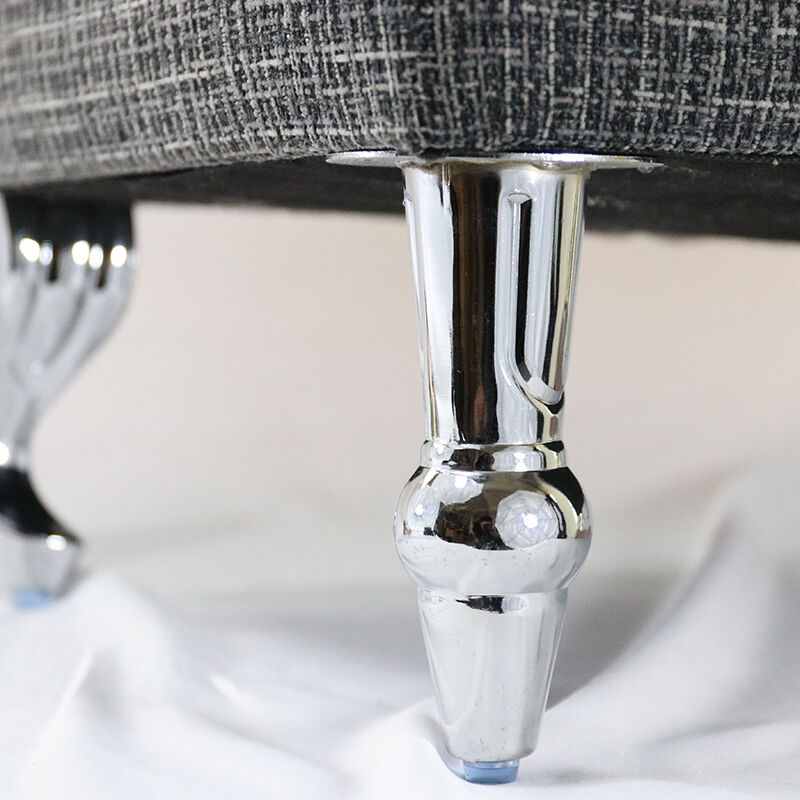
Common Metal Materials Used in Sofa Legs
(wejoy Manufacturing View)
At wejoy, material selection for metal sofa legs is based on application requirements rather than appearance alone.
Stainless Steel
-
High structural stability
-
Strong corrosion resistance
-
Suitable for long-term use and contract projects
Aluminum Alloy
-
Lightweight material
-
Compatible with anodizing and refined surface finishes
-
Helps optimize overall product weight and transportation efficiency
Zinc Alloy / Brass
-
Suitable for gravity casting processes
-
High design flexibility
-
Often used for premium or design-focused furniture collections
Cold-Rolled Steel / Iron
-
Cost-efficient and widely applicable
-
Performance depends on wall thickness and surface treatment
-
Can meet diverse market requirements with proper manufacturing control
Structural Factors That Influence Stability
At wejoy, stability is always treated as a system-level consideration, regardless of whether the sofa leg is made of wood or metal.
Key structural factors include:
-
Appropriate cross-section dimensions and wall thickness
-
Reliable connection methods between the leg and the sofa frame
-
Compatibility with the overall sofa base structure
For varying floor conditions, wejoy often recommends adjustable leveling feet to improve installation tolerance and long-term user experience.
Installation and Maintenance Considerations
Based on wejoy’s production and application experience, the following recommendations apply to both wooden and metal sofa legs:
-
Verify thread standards before installation (commonly M8 or M10)
-
Avoid excessive tightening to prevent structural damage
-
Use appropriate cleaning and maintenance methods according to the material type
Conclusion
From wejoy’s perspective as a manufacturer, there is no universally “better” sofa leg material—only materials that are more suitable for specific designs and usage conditions.
Wooden and metal sofa legs each play distinct roles within furniture structures. Product quality is ultimately determined by a clear understanding of material characteristics, structural logic, and manufacturing detail.
At wejoy, we support our partners by offering multiple material options and practical technical insight, helping ensure reliable performance in real-world applications over the intended service life.
Table of Contents
- Sofa Legs from a Manufacturer’s Perspective:
- Wooden Sofa Legs: Traditional Craftsmanship and Natural Character
- Metal Sofa Legs: Structural Efficiency and Long-Term Stability
- Common Metal Materials Used in Sofa Legs
- Structural Factors That Influence Stability
- Installation and Maintenance Considerations
- Conclusion