 EN
EN
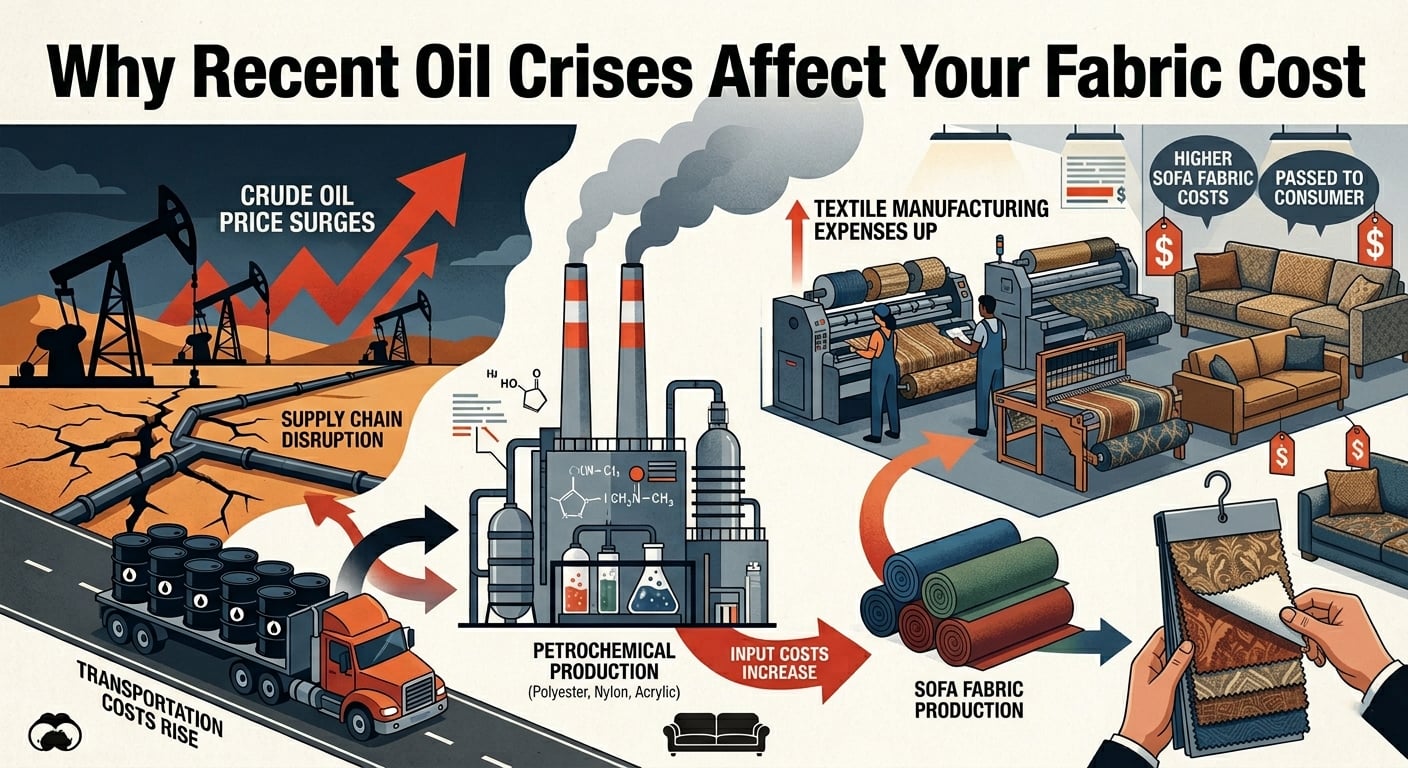
If you are running a furniture brand or a sofa manufacturing business, you’ve probably been following the recent geopolitics and spiking crude oil prices.
At first glance, it feels like an issue for energy giants, not for the furniture industry. You might wonder: "Why is my fabric supplier in China talking about raw material price adjustments just because oil went up? What is the actual connection?"
The modern textile manufacturing chain is deeply integrated. Today, let’s look at the direct link between global oil prices and your upholstery fabric costs.
The Direct Chain: From Crude Oil to Upholstery Fabric
Modern textile manufacturing—especially for high-performance upholstery fabrics like polyester, nylon, and spandex—is heavily tied to the petrochemical industry. Your fabric, in a very literal sense, starts with crude oil.
When global oil prices fluctuate, it triggers a domino effect that travels down the supply chain, directly impacting the cost structure of weaving looms in China. Here is exactly how that happens:
1. Upstream Chemical Fibers Adjust First
Synthetic fibers like polyester make up the backbone of modern durable sofa fabrics (such as heavy-duty velvet, jacquard, and chenille) due to their excellent Martindale rub test performance. However, polyester is a direct derivative of petroleum.
The refining process flows like this:
-
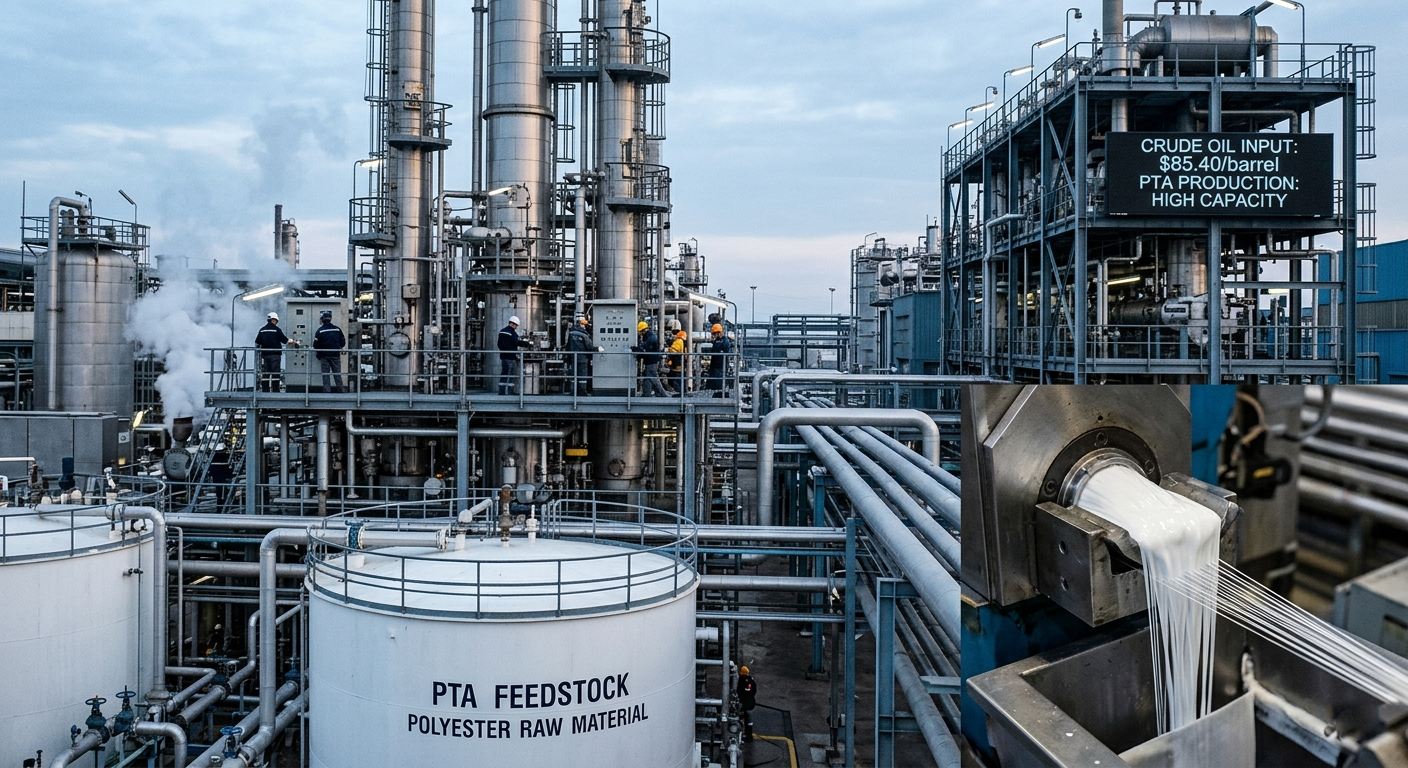
The Impact: When crude oil spikes, chemical plants immediately face higher costs for producing PTA (Purified Terephthalic Acid) and MEG (Monoethylene Glycol).
-
The Result: Consequently, yarn spinning mills are forced to adjust their ex-factory prices per ton. Because yarn is the single largest component of raw material costs for a weaving mill, any movement at the oil refinery shifts the base price of the fabric on the looms within days.
2. Dyeing and Heat-Setting Energy Surcharges
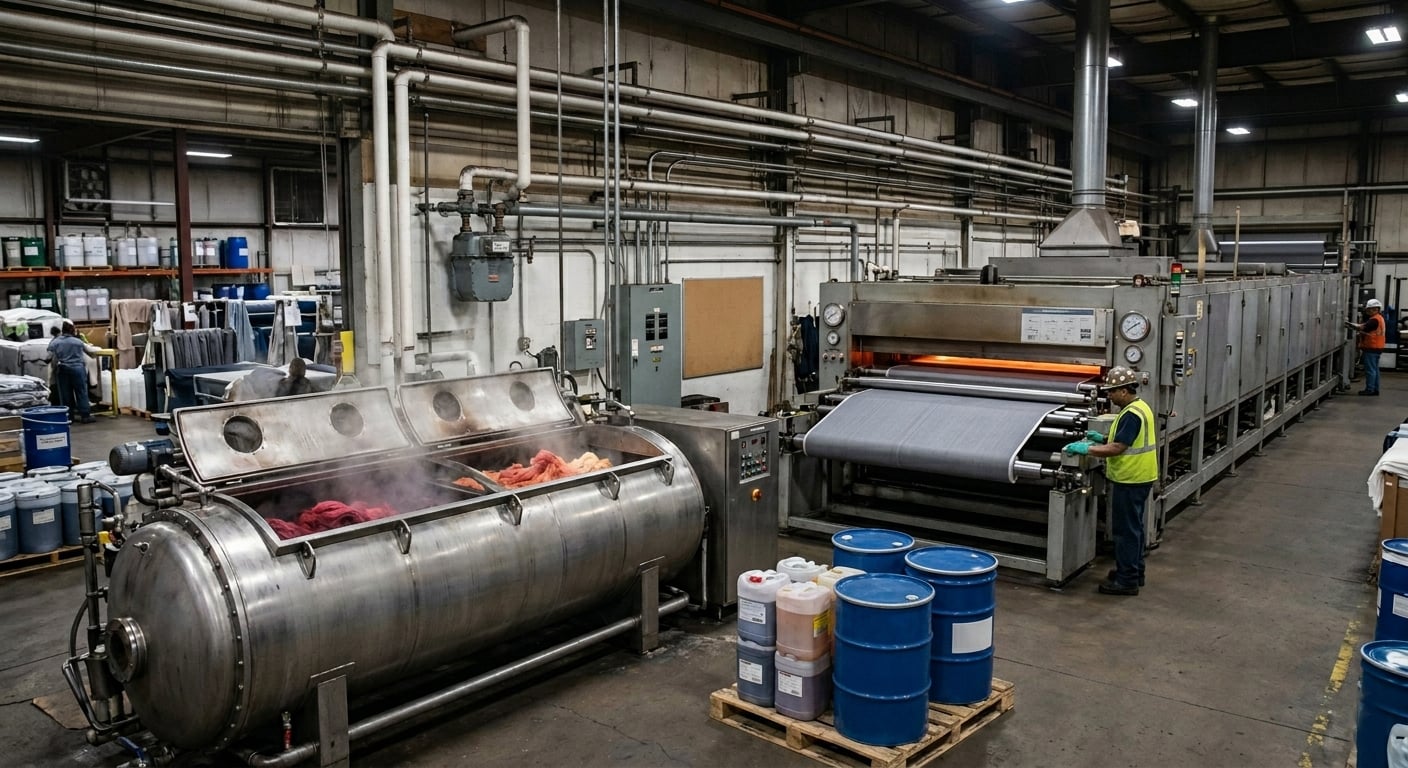
Weaving the raw yarn into grey fabric (胚布) is only half the journey. To turn that raw base into a retail-ready upholstery fabric, it must go through extensive wet processing, dyeing, and high-temperature heat-setting to ensure colorfastness and dimensional stability.
-
High Energy Consumption: These finishing processes are incredibly energy-intensive. Dyeing houses rely heavily on steam, natural gas, and electricity to run their heavy machinery. Historically, spikes in crude oil quickly drive up global energy markets, forcing dye houses to implement energy surcharges or raise their processing fees per meter.
-
Petroleum-Based Chemical Auxiliaries: Furthermore, many high-end textile dyes, chemical auxiliaries, and the backings (like backing glue or fleece bonding used to make sofa fabrics sturdier) are themselves petroleum-based products.
3. Inland Logistics and Maritime Freight Reactions
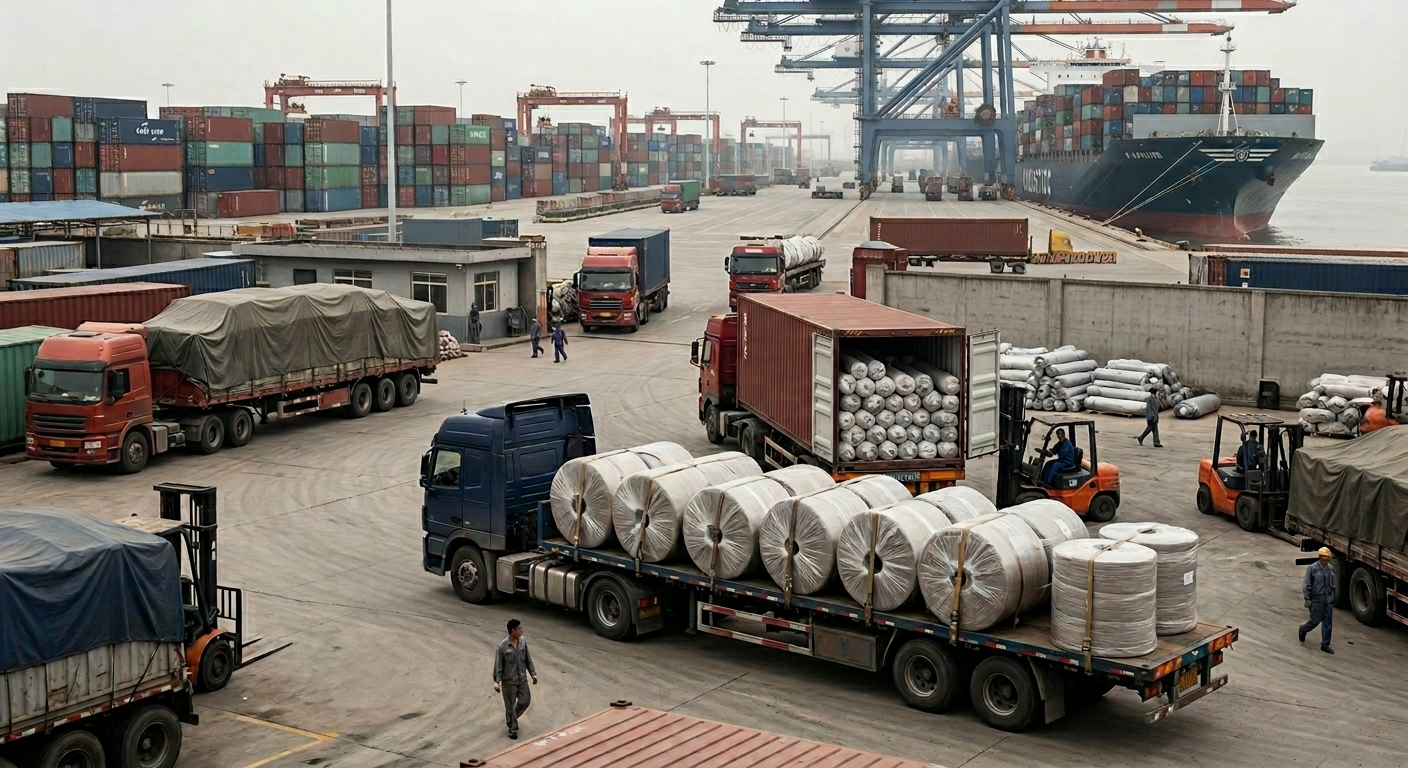
The textile supply chain involves heavy, bulky moving parts. Raw yarn needs to be trucked from chemical fiber hubs to weaving facilities; finished fabric rolls must be transported to domestic printing/dyeing centers, and finally hauled to major Chinese shipping ports like Shanghai or Ningbo.
-
Inland Trucking: Diesel fuel prices react almost instantly to crude oil markets. When inland trucking companies face higher fuel costs, domestic freight rates rise.
-
Ocean Carrier Surcharges: Simultaneously, ocean carriers adjust their Bunker Adjustment Factors (BAF) for international shipments. These combined logistics surcharges add a silent layer of cost to every single roll of fabric before it even leaves the port.
Conclusion
In the textile market, prices react swiftly to upstream energy shifts. Understanding these connection points helps furniture brands better analyze seasonal supply chain shifts, anticipate market trends, and plan production timelines more accordingly.